“Don’t just attend sessions, build partnerships.”
Tobias Gotthardt’s welcome to Munich set the tone for The Business Booster 2026. The Bavarian Vice Minister urged participants to explore investments and find concrete projects that could shape the next decade of European industry. With more than 3,000 meetings booked across two days, that focus on business was clear.
On 28-29 October, InnoEnergy brought its clean tech ecosystem together around a shared ambition: turning Europe’s energy transition into industrial advantage. Founders met potential customers and investors, industrial partners explored new technologies, and public institutions heard directly from businesses bringing them to market.
These exchanges go to the heart of InnoEnergy’s work: connecting clean tech businesses with the markets, capital and industrial expertise they need to grow. TBB is where those relationships can begin and deepen.
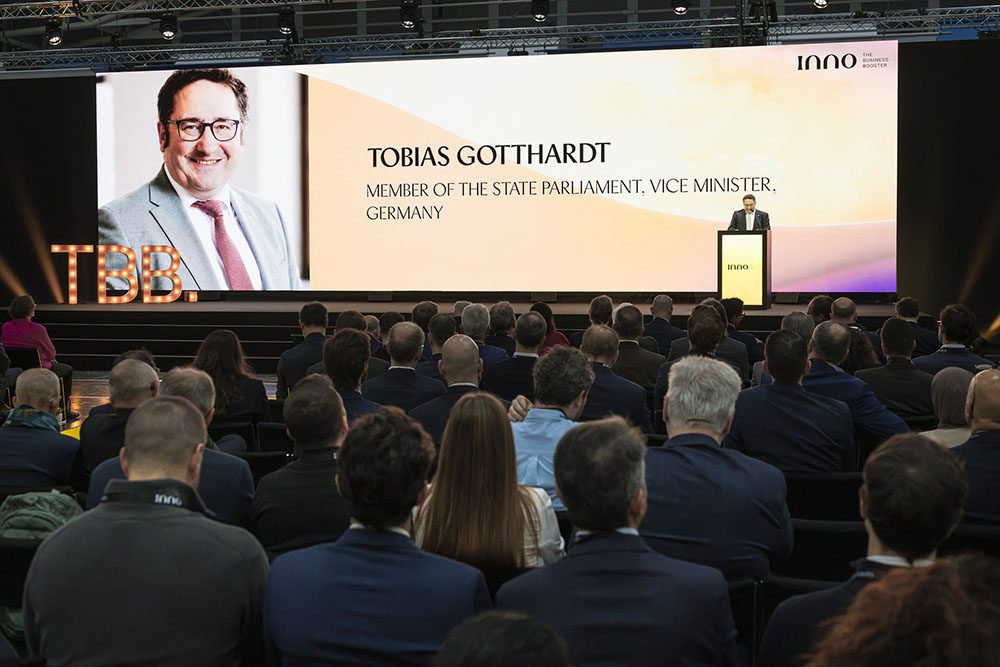
Tobias Gotthardt, Vice Minister at the Bavarian State Ministry for Economic Affairs, Regional Development and Energy
Turning European strengths into competitive businesses
Elena Bou and Bart de Beer, InnoEnergy’s Acting Co-CEOs, opened TBB2026 with the question that ran through both days: “How can we use the energy transition to increase our competitiveness? Where can Europe build those advantages?”
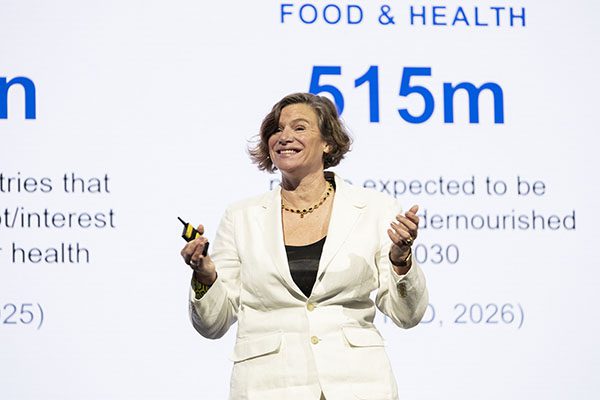
Economist Mariana Mazzucato urged public institutions and private enterprises to act together: “Don’t just fix markets. Shape them.” European Commissioner Wopke Hoekstra reinforced the stakes, linking clean tech to quality jobs, global market opportunities and reduced dependence on fossil fuel imports.
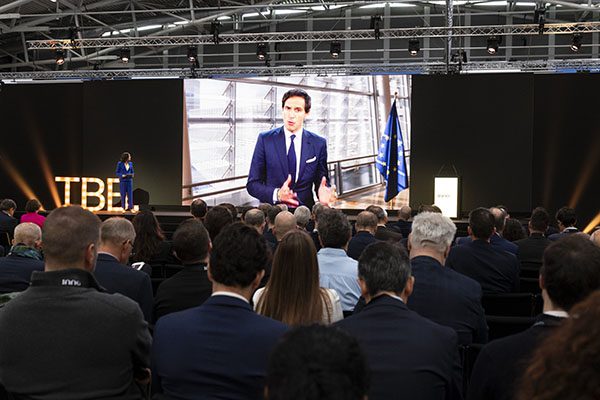
Europe’s research strengths and industrial base offer a foundation, but fragmented financing and markets hold companies back. Coordinated public and private investment, faster permitting and clearer routes to commercial adoption can help businesses scale.
TBB brought policymakers, investors, corporates and entrepreneurs together to address those barriers: industrial experience informs better policy, while clear policy gives businesses and investors confidence to commit.
From seeing the potential to exploring the fit
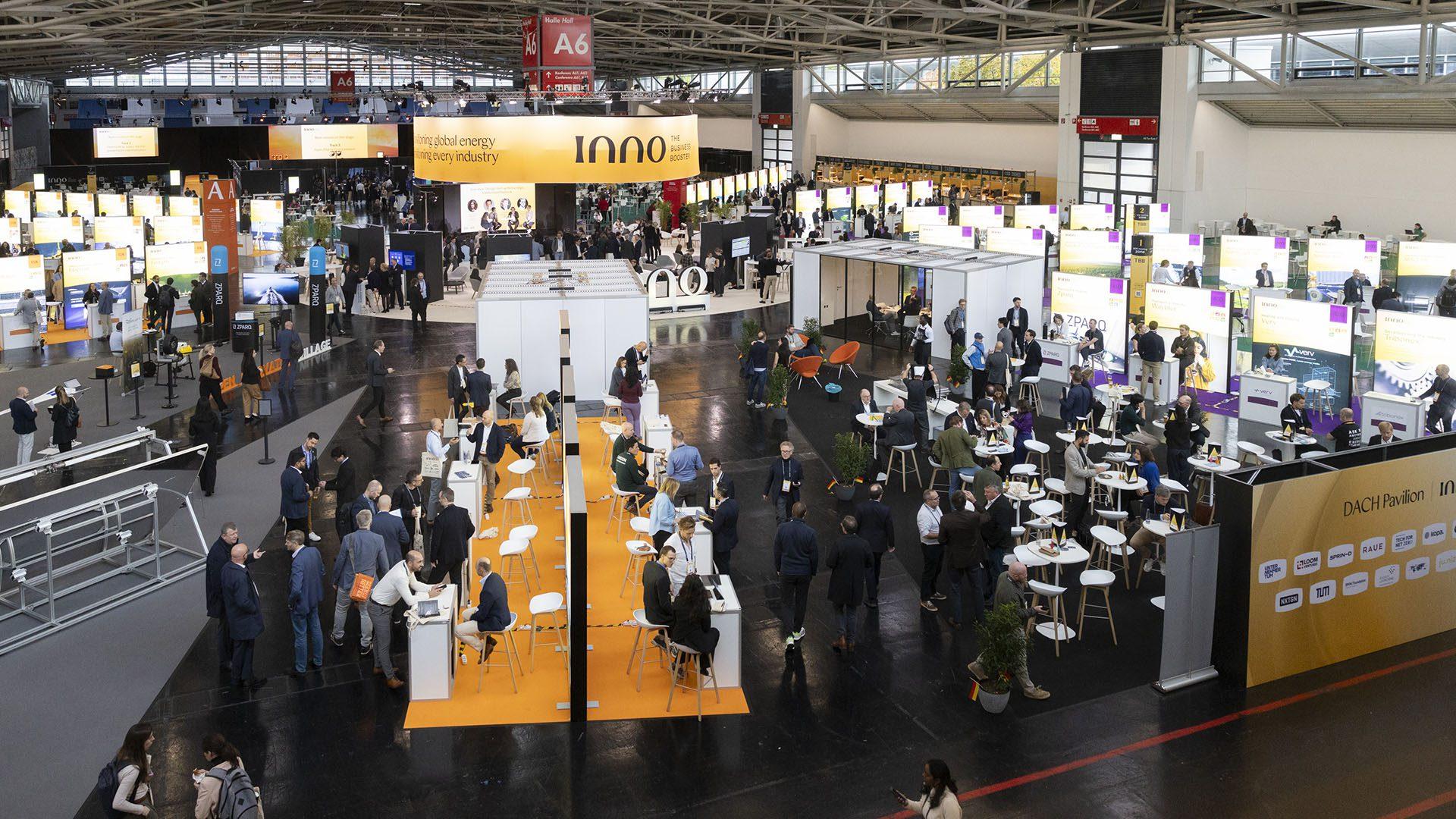
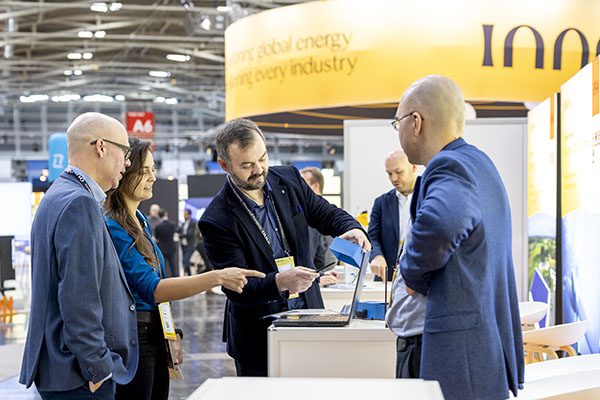
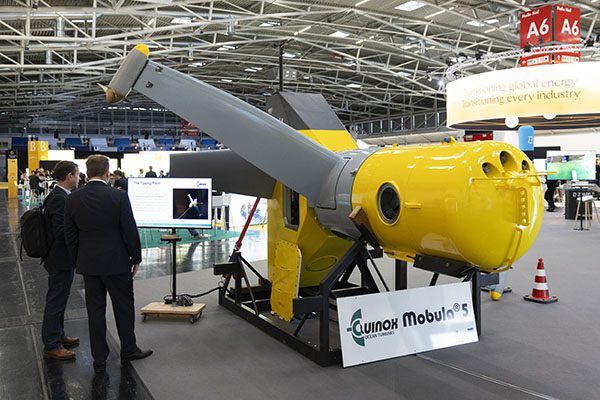
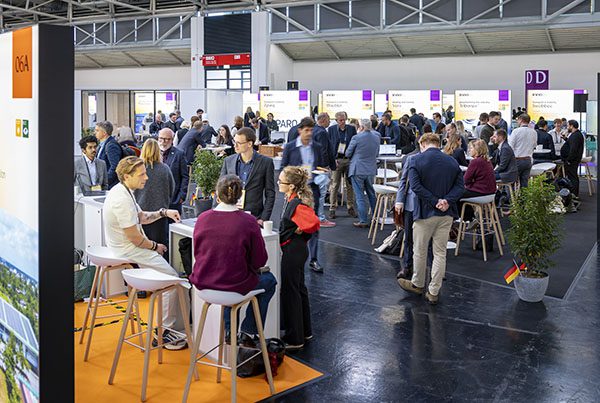
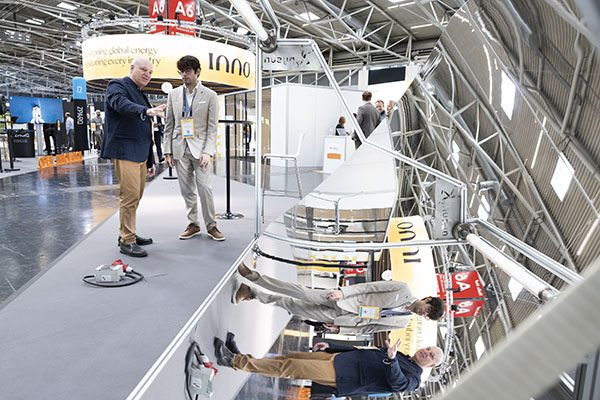
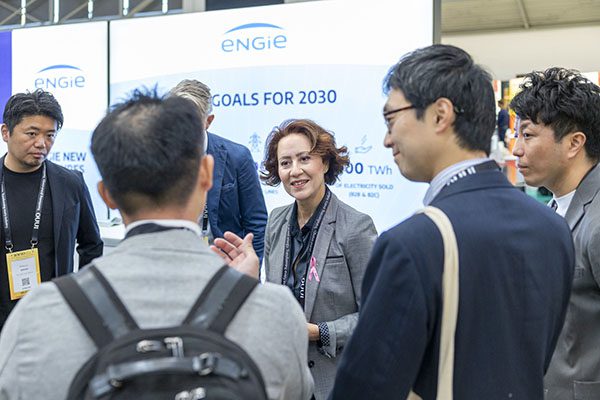
On an exhibition floor featuring more than 100 companies, that ambition took tangible form. Participants could explore technologies firsthand, speak to the teams behind them and assess where a solution might fit their investment strategy or industrial needs.
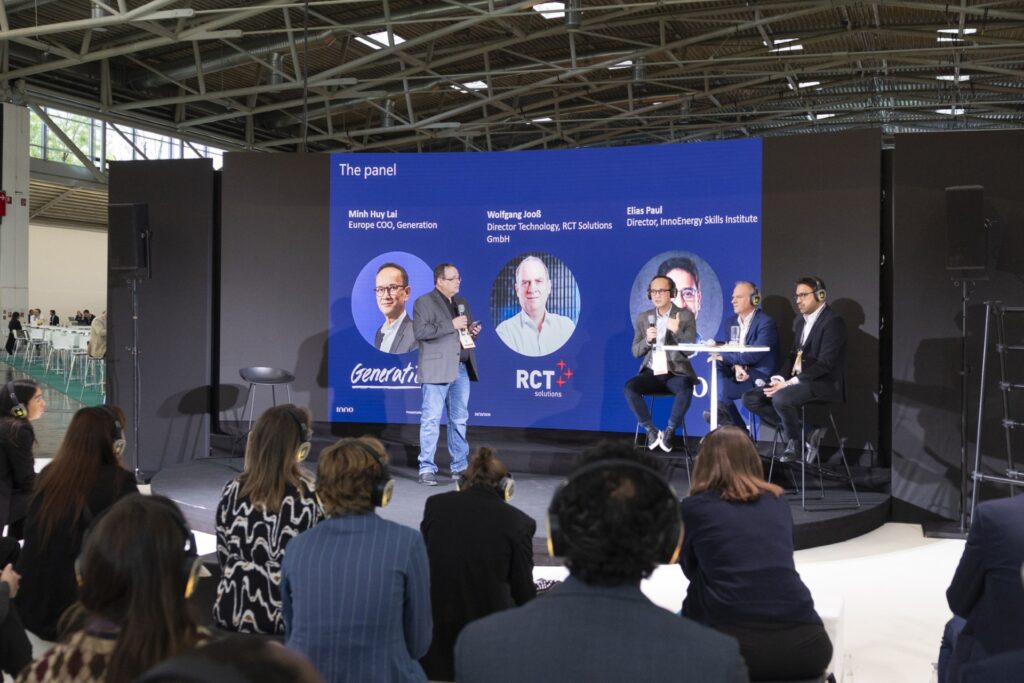
The Investor Forum organised pitches across Early, Consolidation and Growth stages, focusing discussions on the capital and support needed at each stage.
Commercial reach mattered just as much. The DACH Pavilion offered access to the region’s industrial base and Mittelstand expertise; the EU-Japan meetup opened further opportunities for international collaboration. Together with the B2B meetings, these formats helped participants assess opportunities directly with potential partners.
But finding that fit is only the start. Turning it into an industrial business brings another set of demands.
Making industrial growth work
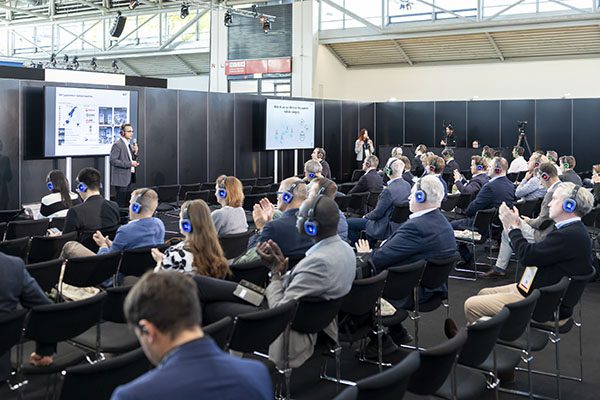
Through real cases from Act&Sorb, EcoBean and Verkor, the From FOAK to Scale track showed why planning for production must start early. Engineering maturity, production economics, site readiness and operating capabilities all shape whether a technology can become a viable industrial business.
Speakers also highlighted financing suited to each stage and its risks, experienced teams, decisive governance and independent external reviews, among other factors. For corporate-startup partnerships, a clear route from pilot to industrial adoption matters just as much.
InnoEnergy’s ecosystem helps companies access the expertise needed to address these challenges. As Steffen Grosse of Siemens Financial Services put it: “If we want to make it happen, we have to work together as an ecosystem.”
The resources to go the distance
Industrial growth also requires capital that can accommodate long development cycles. As Jean-Christophe Laloux of the EIB explained: “A lot of the technologies we’re talking about are at the frontier between technological risk and industrial delivery. So we need longer lead times.”
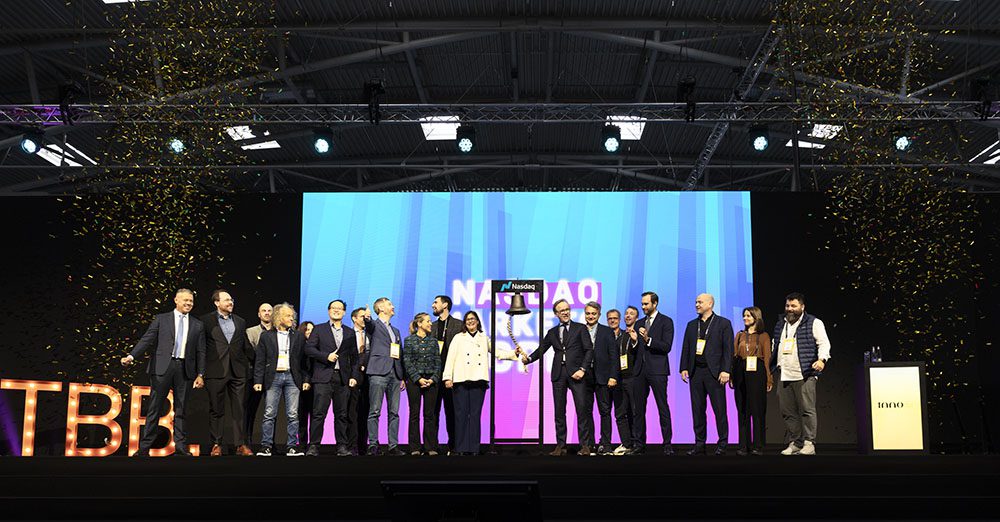
The Nasdaq Opening Bell ceremony looked further along that journey, highlighting the role of capital markets in supporting innovative companies as they grow.
Capital alone, however, cannot deliver industrial growth. Companies also need people with the right skills. The Clean Tech Skills Report, launched at TBB by InnoEnergy Skills Institute through the European Solar Academy, highlighted shortages in applied technical roles, skilled trades and specialised engineering. Addressing these needs through upskilling and reskilling has long been part of InnoEnergy’s work.
From Munich to the work ahead
There was room to enjoy being together, too. Bavarian brunches at the DACH Pavilion, networking drinks and an Oktoberfest-style dinner gave participants space to reconnect and build new relationships beyond the meeting schedule.
Those moments matter. Partnerships depend on confidence in the people across the table as well as conviction in the technology, especially when they involve long development cycles and shared risk. TBB gives InnoEnergy’s ecosystem a regular meeting point to take stock, challenge assumptions and build that trust.
In 2027, TBB returns to Paris. The work continues year-round. Let’s keep working together to bring clean technologies to industrial scale and build Europe’s competitive advantage.